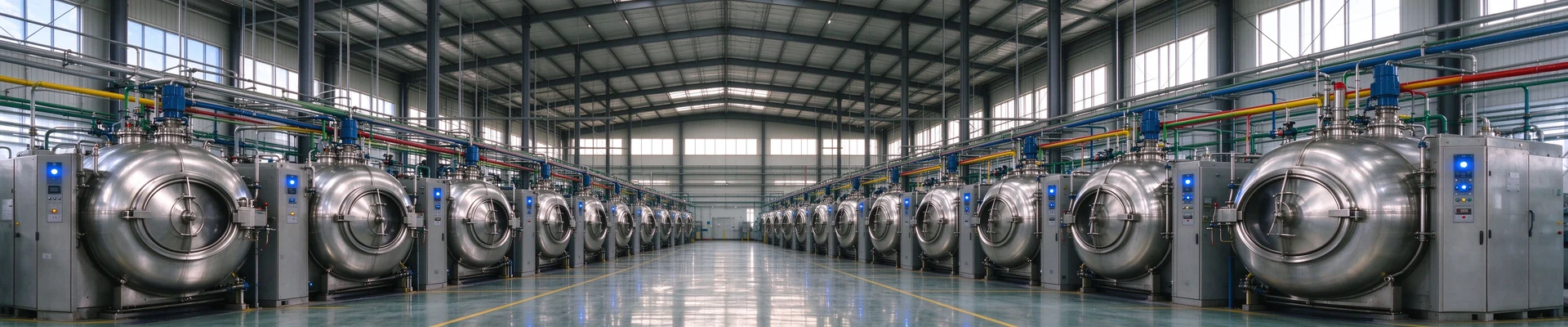
NES embedded system(dyeing) computer
From a single dyeing computer to an entire dyeing and printing smart factory, products are organized along four lines: "Control - Management - Delivery - Whole Plant".
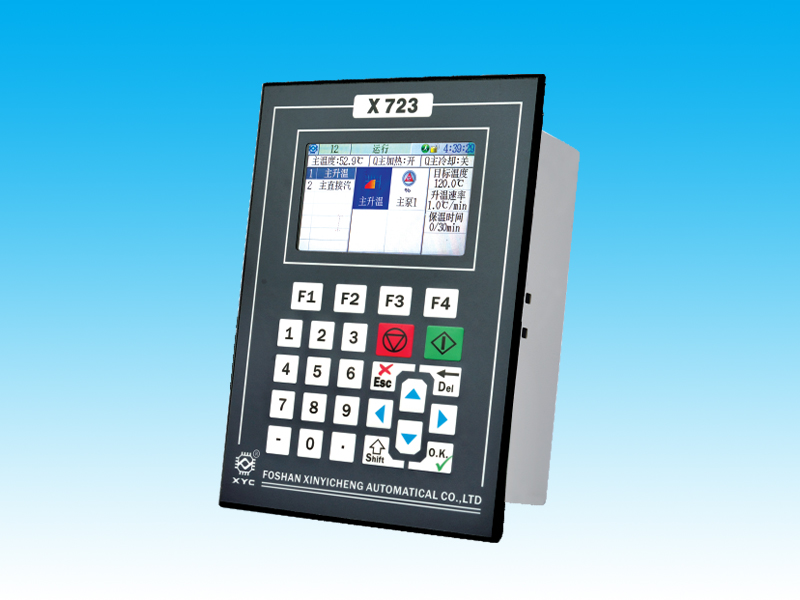
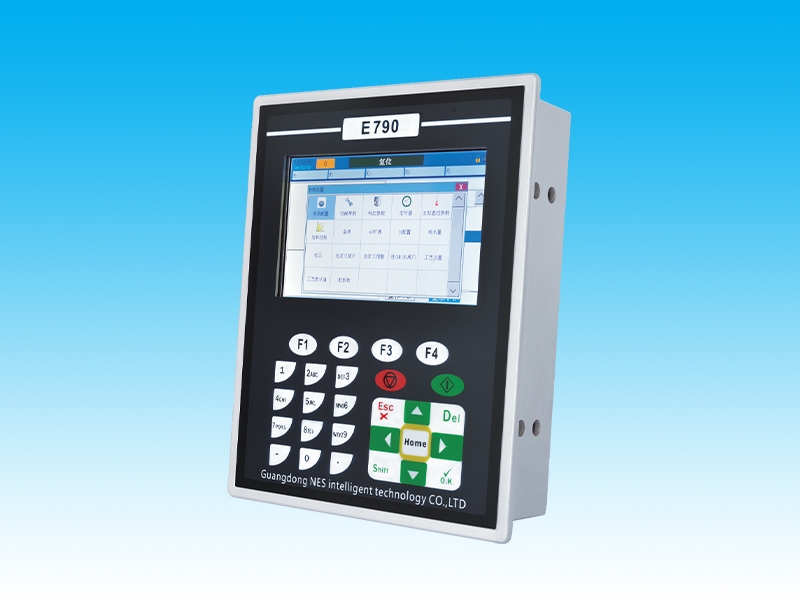
X723 Series Dyeing Computers
The X729, X723 and X720 dyeing computers belong to the same series, sharing one platform and operating method, with identical key technical specifications:
1. Uses a high-performance ARM Cortex-M3 processor; the display module is a 4.3-inch TFT colour display with a resolution of 480×272 dots.
2. Recipe capacity: 50 recipes × 50 steps.
3. I/O supports DIY custom settings; certain input/output functions can be customised, for flexible and convenient use.
4. Equipped with 1 USB port, allowing software upgrades and data copying via USB drive; 1 RS485 communication port, connectable to the Xinyicheng XYC-02 dyeing monitoring system.
5. Uses a modular switching power supply; working voltage AC 100~240V / 50Hz, stable and reliable.
6. Ambient operating temperature 0~55℃; relative humidity ≤85%.
7. Body size 160 (W) × 220 (H) × 65 (D) mm; cut-out size 133 (W) × 185 (H) mm; clip-in installation.
Product Attributes
Below are the core technical parameters and configuration specifications; please inquire for the complete specification table.
All three models feature a generous appearance, easy operation, stable and reliable performance and high cost-effectiveness. The main configuration differences are shown below:
Model | Input unit | Output unit |
X729 | 2 PT100 inputs | 2 4~20mA outputs (proportional heating and inverter speed control) |
X723 | 1 PT100 input | 1 4~20mA output |
X720 | 1 PT100 input | 1 4~20mA output |
Technical Advantages
The real difficulty in dyeing control does not lie in「Can it be controlled」,but stability, reproducibility and maintainability under long-cycle operation.
Core board, I/O, communication and display are layered and decoupled, so a single-point fault does not spread and spare parts can be replaced without returning the whole machine to the factory.
Using historical batch data to correct heating/cooling and dosing sequences, veteran technicians' experience is distilled into reusable process templates.
300mW Low power consumption reduces temperature rise inside the cabinet, and wide-temperature components suit high-temperature, high-humidity dyeing workshops with minimal long-term drift.
The swarm control operating system makes vats in the same workshop run at a unified rhythm, with centralized recipe distribution reducing lot-to-lot differences and waiting time.
Supports integration with central control, MES and ERP, with automatic upload of production data and no need for manual re-entry.
Once connected, the manufacturer can remotely view operating status and alarm records, so common issues need not wait for an engineer to arrive.
System Architecture
Dyeing computers + central control system + dyestuff and auxiliary delivery + warehousing form the complete closed loop of NES4.0.
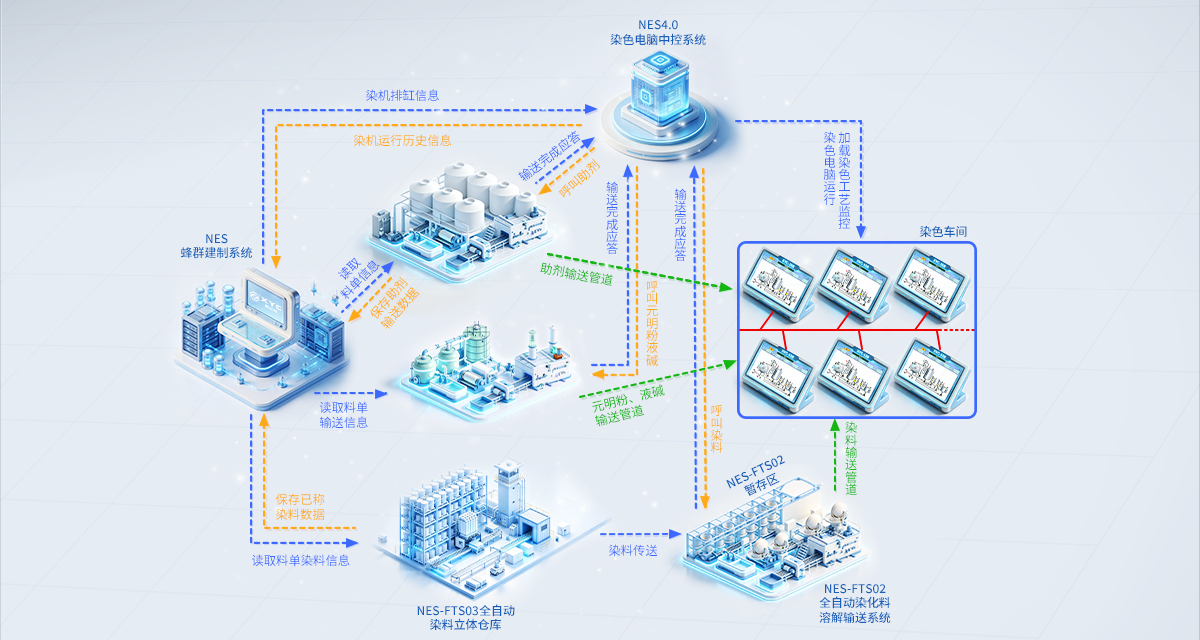
NES-FTS01 Dyeing & Printing Industry 4.0 unmanned smart factory - full-process data closed loop
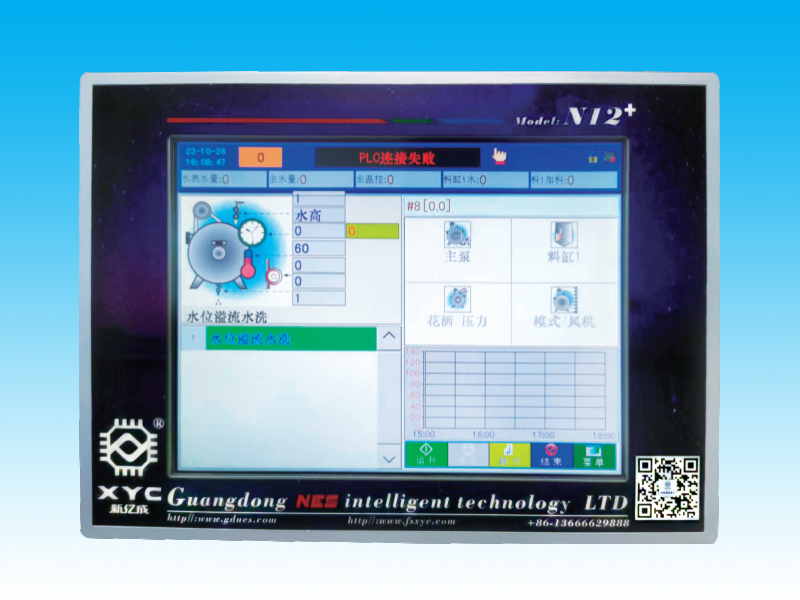
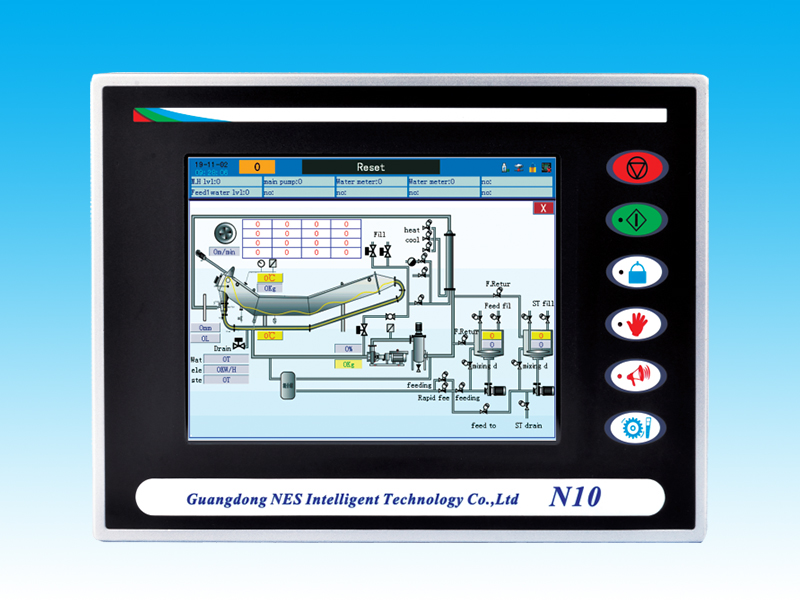
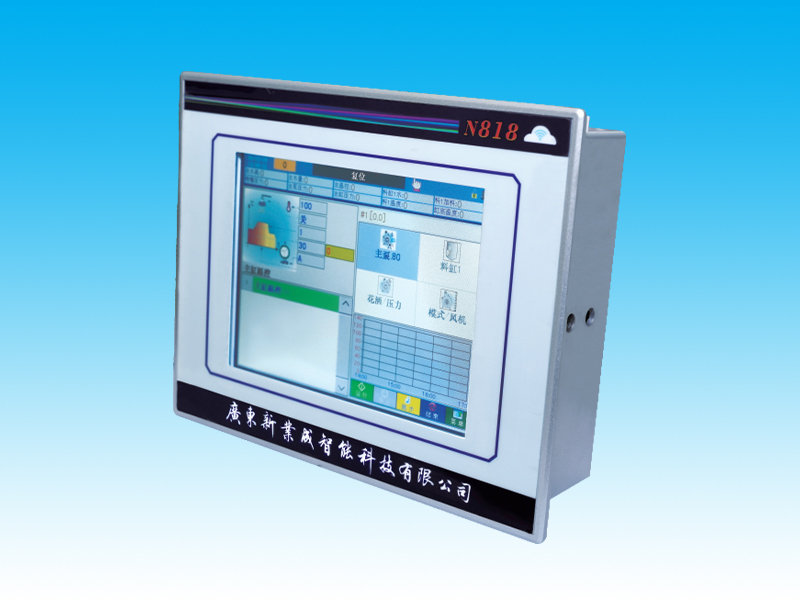
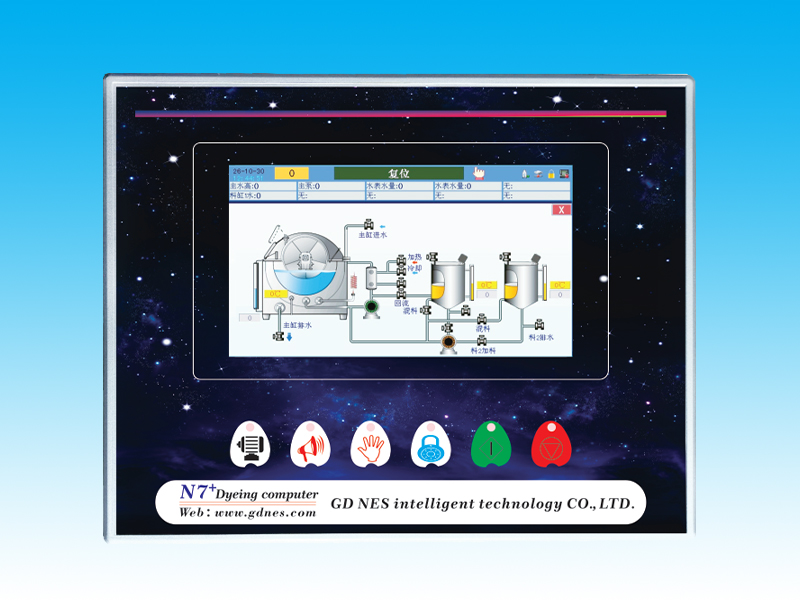
Recommended Products
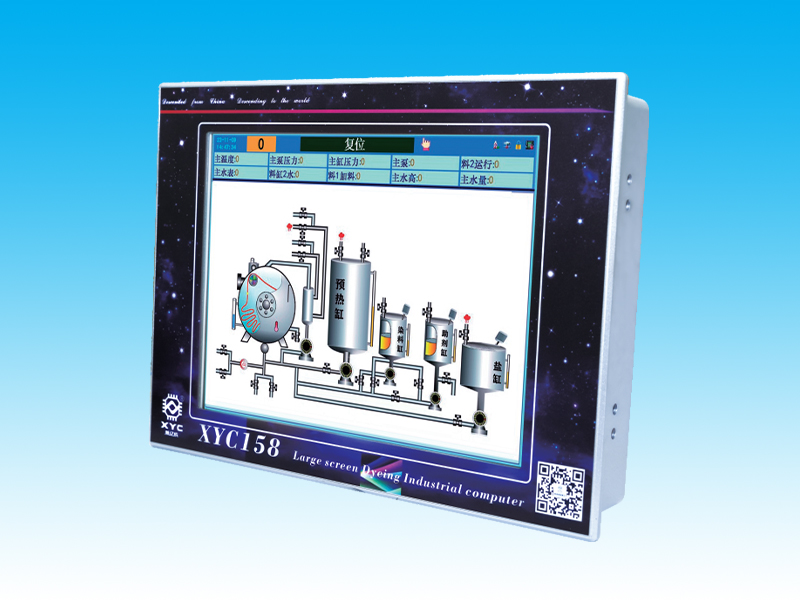
Need a configuration list tailored to your workshop?
Inform us of the number of dyeing vats, fabric types and current control method, and we will provide a selection table and phased investment recommendations.