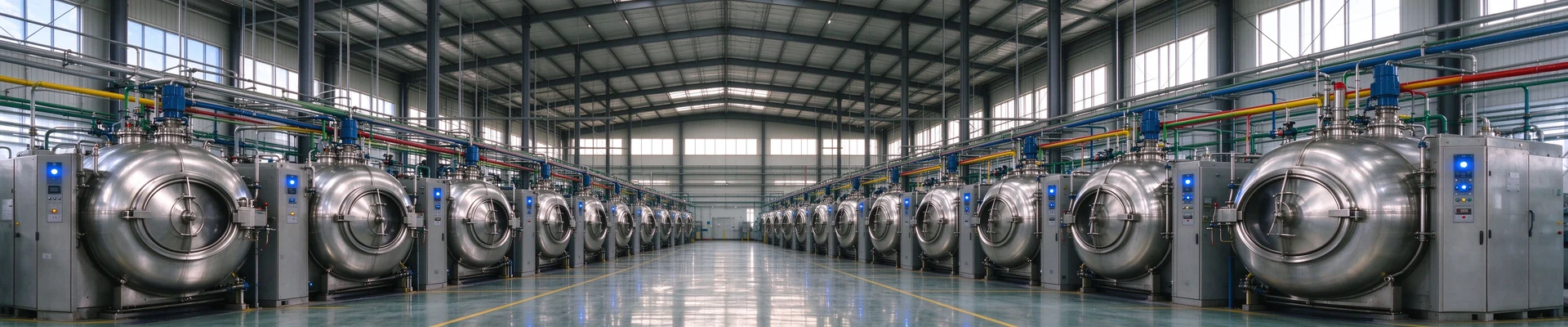
NES Printing and Dyeing 4.0Intelligent Factory System
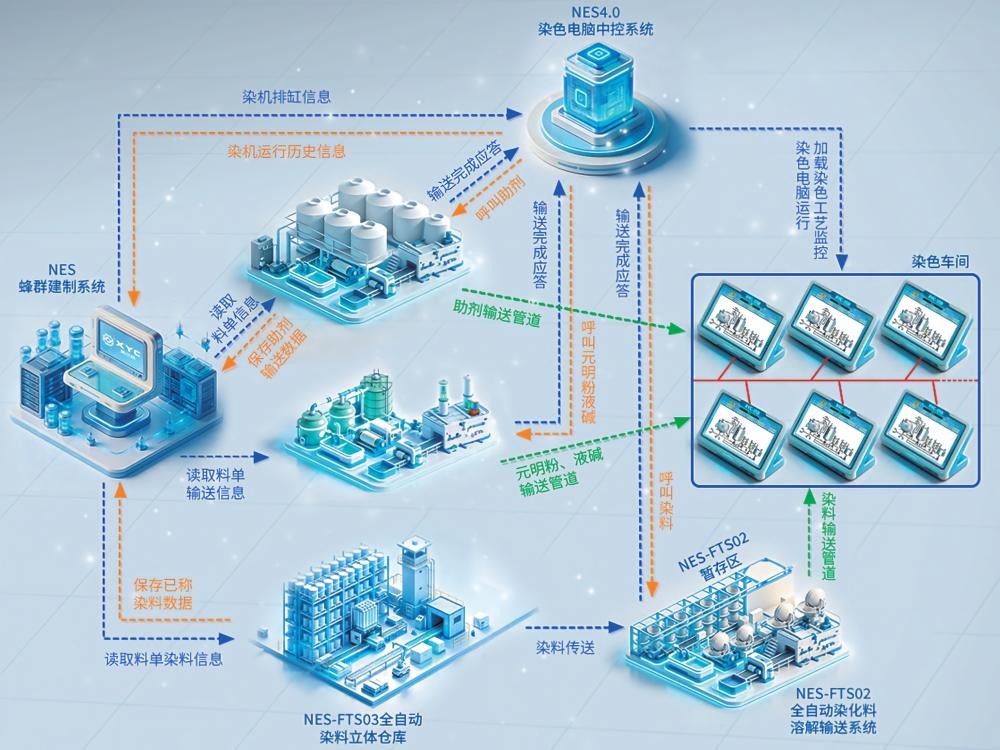
From a single dyeing computer to an entire dyeing and printing smart factory, products are organized along four lines: "Control - Management - Delivery - Whole Plant".
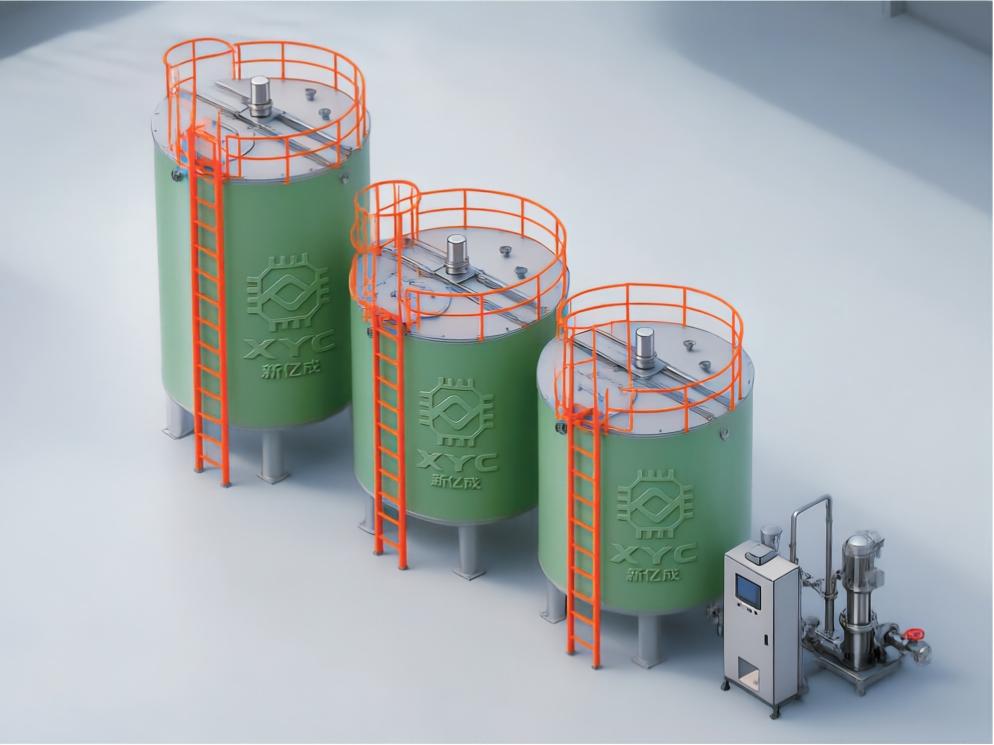
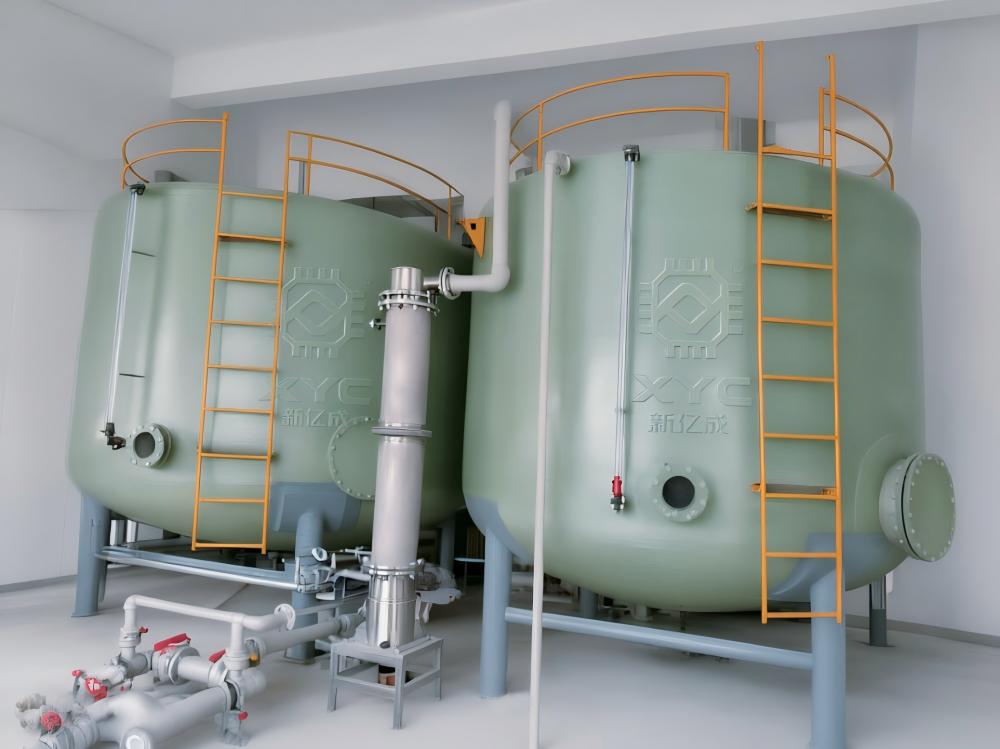
NES-SSA02 Salt & Alkali Conveying System
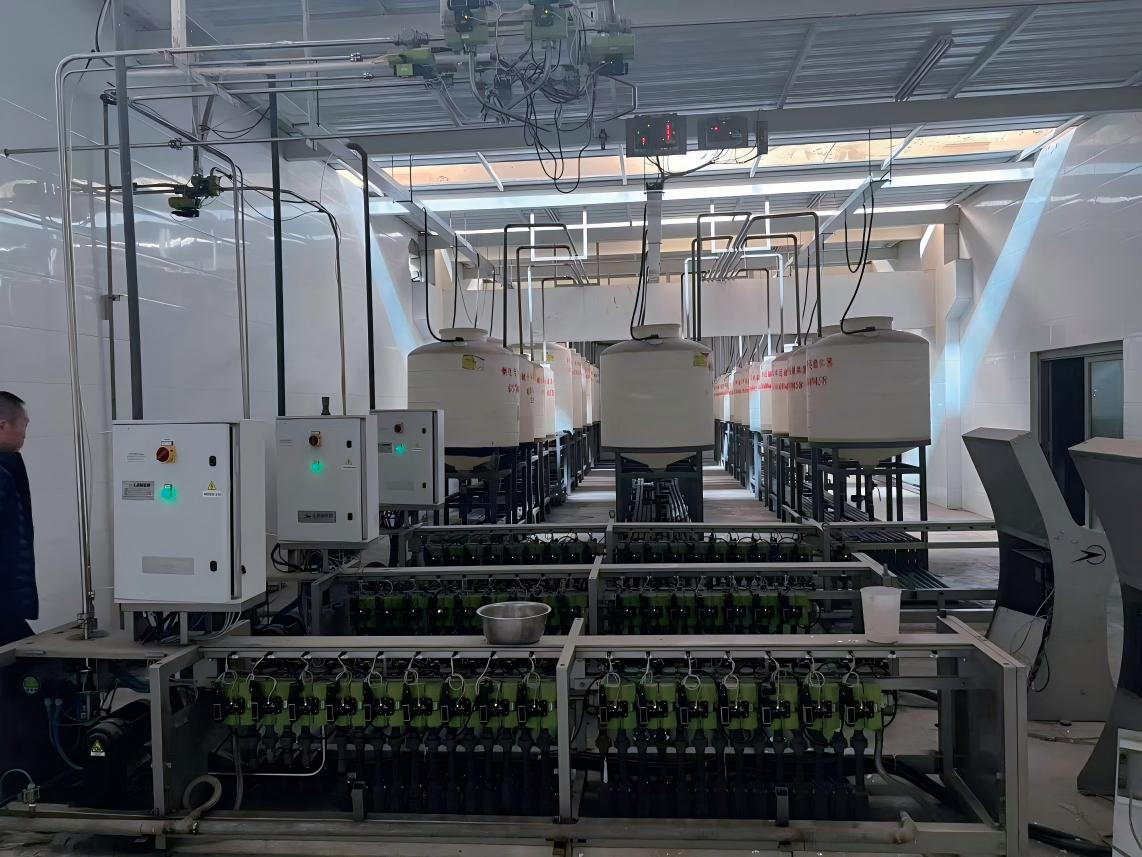
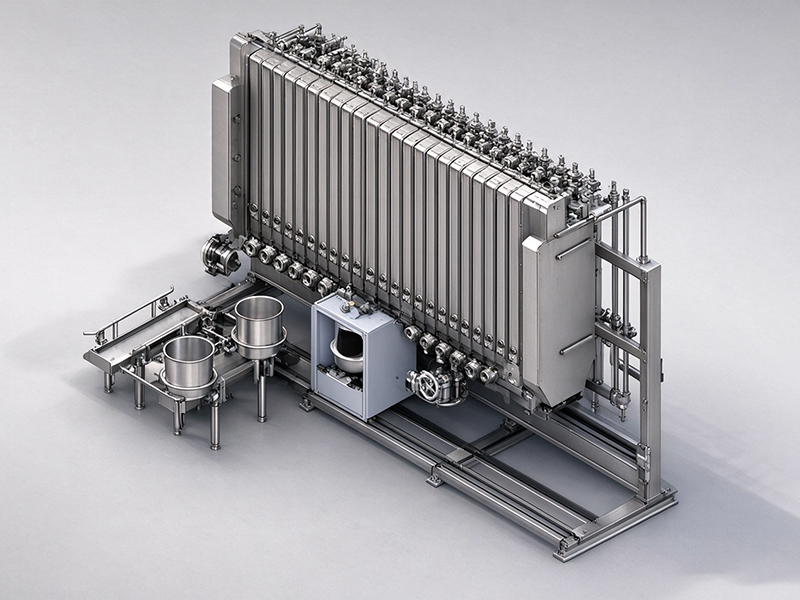
This system is suitable for media such as anhydrous sodium sulphate (salt cake), industrial salt, soda ash and liquid caustic soda. Adopting an industry-innovative dual-circulation design, and working with the host computer to track and collect parameters at each fixed monitoring point, it focuses on solving the crystallisation and pipe-blockage problems typical of salt cake and soda ash, improving conveying stability and pipeline service life. The system consists of a dissolving unit (including the hot water system), a storage & circulation unit, and a conveying unit.
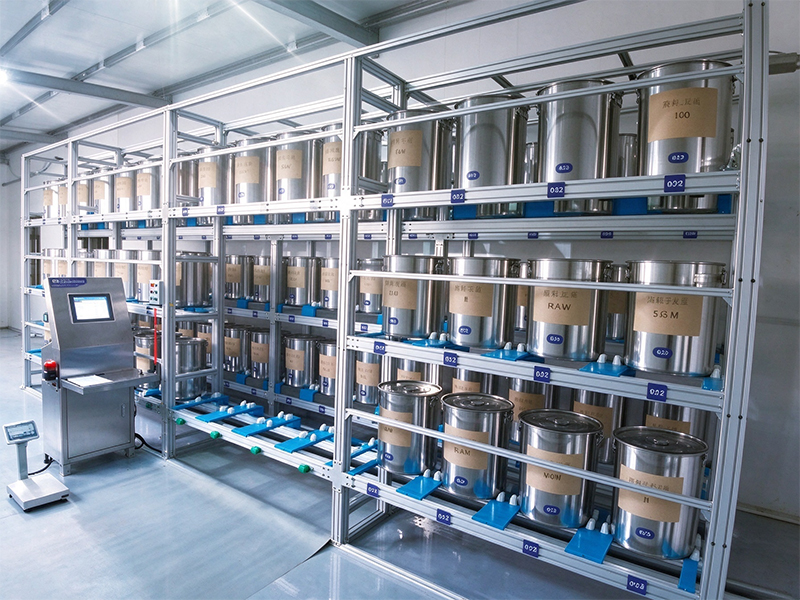
Each dissolving cycle handles 1 tonne of powder. The powder is lifted by forklift or crane to above the tank and charged in. The dissolving process is completed automatically under the control system: hot water is added to the set concentration with intensive agitation, and once fully dissolved, the solution is transferred to a large-capacity, constant-temperature storage tank. The storage tank provides temperature control, agitation and circulation, effectively preventing sedimentation and crystallisation.
Product Attributes
Below are the core technical parameters and configuration specifications; please inquire for the complete specification table.
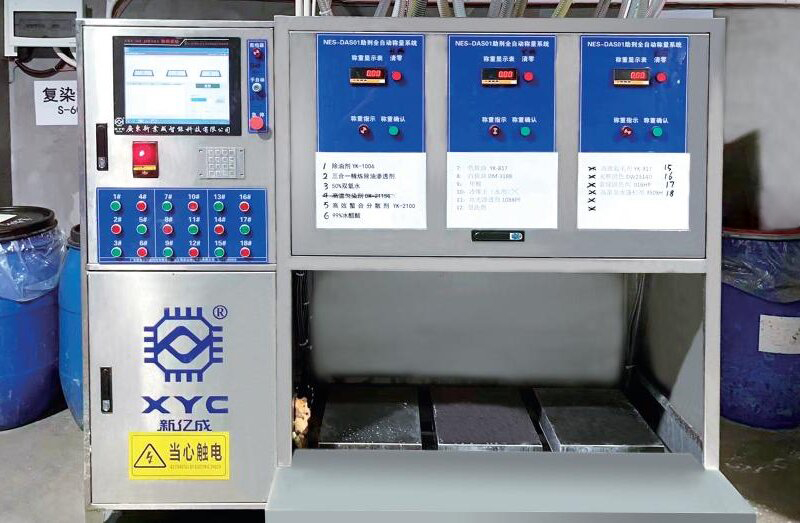
The conveying sequence is close to that of ordinary chemical additive conveying: the operator confirms the order by scanning a barcode, after which the system automatically delivers the solution to the designated dyeing machine and automatically flushes the pipeline once delivery is complete. As salt cake and soda ash are temperature-sensitive solutes whose solution concentration varies significantly with temperature, the system places particular emphasis on controlling temperature and concentration at every stage — dissolving, storage and conveying — to ensure process stability.
The system reduces manual charging workload by approximately 80% and integrates seamlessly with the NES central control system for accurate, fully automatic conveying. With matched operating conditions and proper maintenance, the investment is typically recovered within 1–2 years.
Technical Advantages
The real difficulty in dyeing control does not lie in「Can it be controlled」,but stability, reproducibility and maintainability under long-cycle operation.
Core board, I/O, communication and display are layered and decoupled, so a single-point fault does not spread and spare parts can be replaced without returning the whole machine to the factory.
Using historical batch data to correct heating/cooling and dosing sequences, veteran technicians' experience is distilled into reusable process templates.
300mW Low power consumption reduces temperature rise inside the cabinet, and wide-temperature components suit high-temperature, high-humidity dyeing workshops with minimal long-term drift.
The swarm control operating system makes vats in the same workshop run at a unified rhythm, with centralized recipe distribution reducing lot-to-lot differences and waiting time.
Supports integration with central control, MES and ERP, with automatic upload of production data and no need for manual re-entry.
Once connected, the manufacturer can remotely view operating status and alarm records, so common issues need not wait for an engineer to arrive.
System Architecture
Dyeing computers + central control system + dyestuff and auxiliary delivery + warehousing form the complete closed loop of NES4.0.
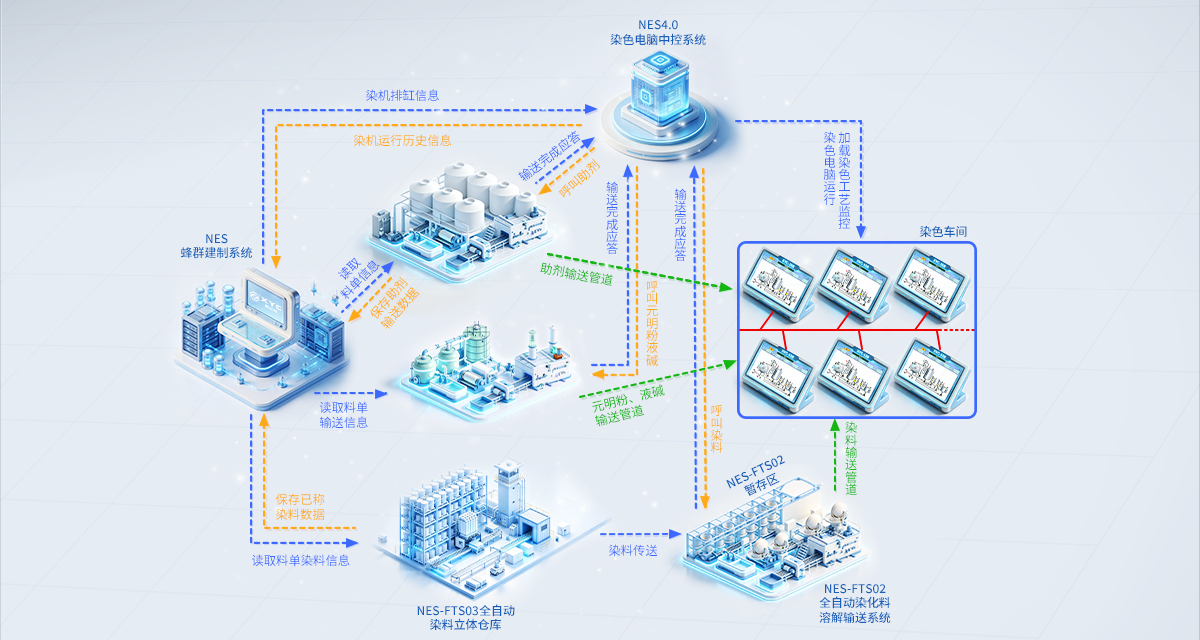
NES-FTS01 Dyeing & Printing Industry 4.0 unmanned smart factory - full-process data closed loop
Recommended Products
Need a configuration list tailored to your workshop?
Inform us of the number of dyeing vats, fabric types and current control method, and we will provide a selection table and phased investment recommendations.